

Recent remote-access work improves how Rungard's managed relay establishes and reports connections. The goal is a faster path from opening a client to reaching an application, with clearer feedback when the managed service needs attention.
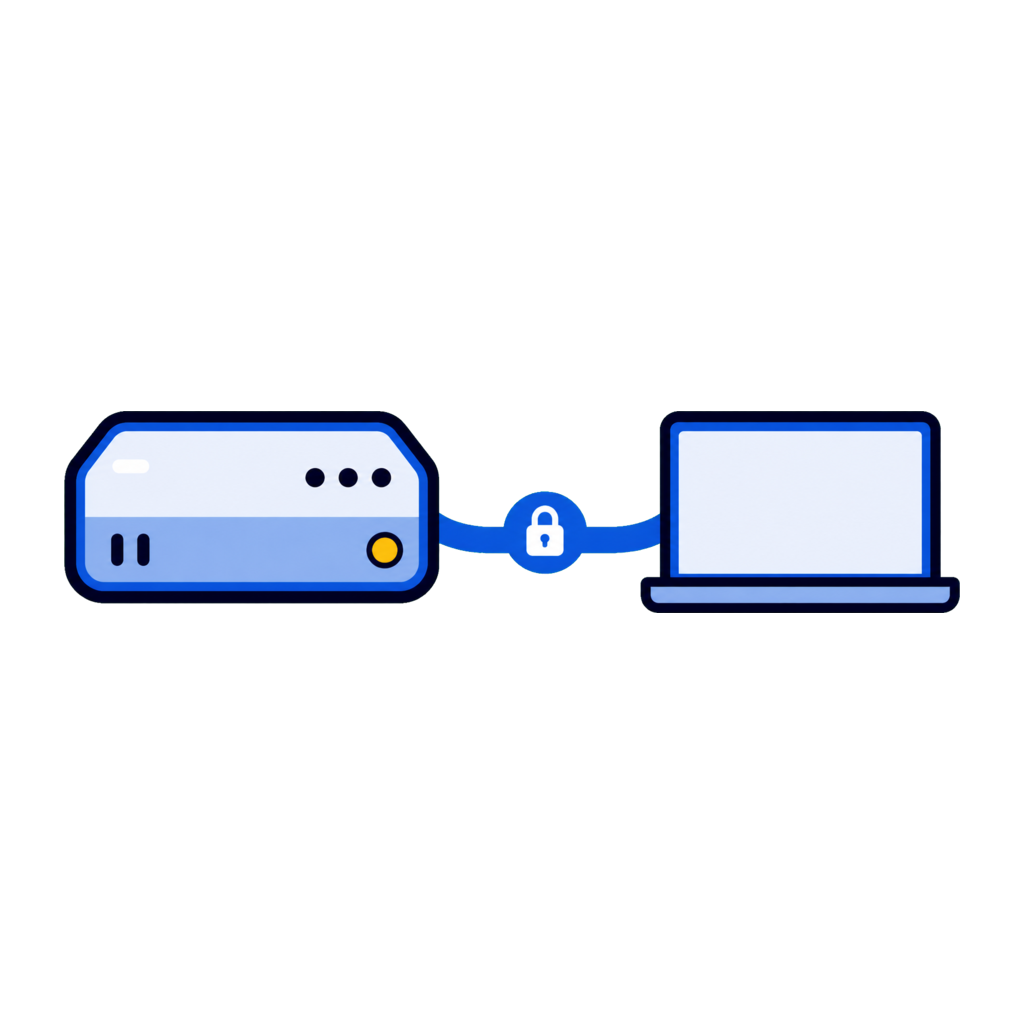
Faster connection setup
The connection path performs less repeated discovery work and reuses trusted device information where it is safe to do so.
Clearer state
Connection state and application readiness are presented separately so that an available relay is not mistaken for an application that is still starting or unavailable.
Rungard manages the connection
Customers do not create or manage VPN tunnels. Rungard operates the relay and connection configuration while preserving device identity checks and encrypted transport.
What we measure
Development checks cover discovery time, identity verification, relay connection, and the time until a selected application is reachable. These stages are measured separately so a faster UI response cannot hide a slow or failed connection.
Testing also includes saved servers, local discovery, and recovery after a client or network restart.
Compatibility and rollout
The improvements do not require customers to manage connection files, weaken firewall rules, or expose an application directly. Existing pinned device identities remain valid unless the physical device identity has genuinely changed.
Final release notes will document supported desktop and mobile versions, any required configuration refresh, and the measurements observed on supported Rungard hardware.